Sea Lions at the Palomino Islands
Boats from Callao circle guano islands stacked with wildlife — and the brave swim with a colony that outnumbers the town that sent them.
The short version
- Tour boats leave Callao’s Plaza Grau marina most mornings for the four-hour island circuit — past the naval fortress, San Lorenzo island, and out to the Palominos, where the sea lion colony drapes the rocks in the thousands and the sound arrives before the boat does.
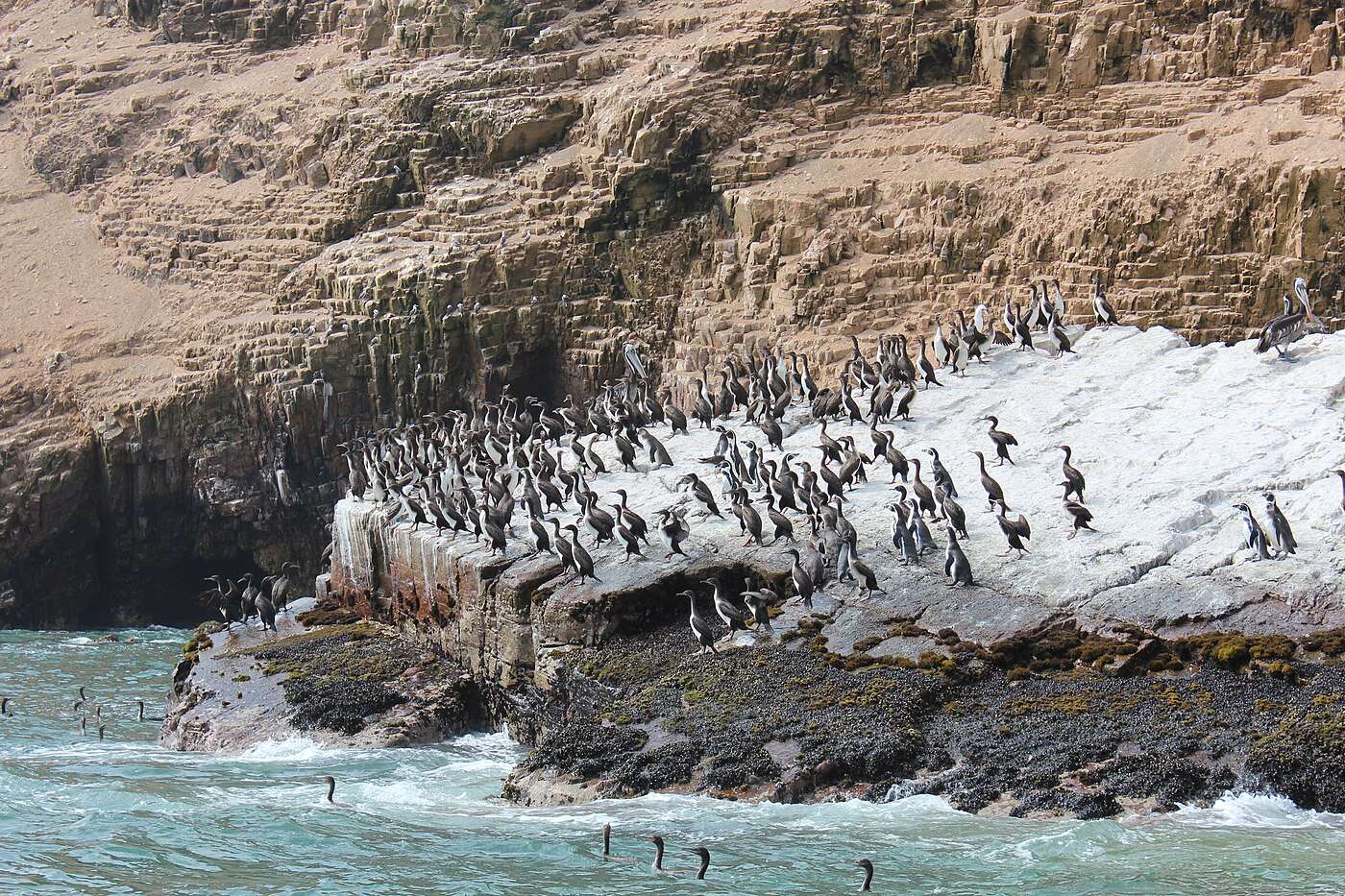
- The islands sit inside a national reserve system protecting the guano islands and their wildlife — background at sernanp.gob.pe — with Humboldt penguins, cormorants, and boobies crowding the ledges the 19th-century guano trade once mined.
- The swim is the headline: operators issue wetsuits and drop swimmers a respectful distance from the colony, and the young sea lions — curious, fast, entirely in charge — come to inspect. The Humboldt Current keeps the water cold enough to make the wetsuit a serious garment.
- Nobody lands — the islands are sanctuary, the boats circle, and the swim happens offshore under crew instruction. The colony dictates the terms; good operators read it and keep distance on rough or pupping days.
- The ride out doubles as a Callao history tour: the Real Felipe fortress walls, the naval yards, and San Lorenzo — Peru’s largest island — before the open-water stretch where the swell reminds you this is the Pacific.

Getting there
Tours depart from Callao’s Plaza Grau marina, about 40 minutes by taxi from Miraflores — operators sell hotel pickup, or ride independently and walk the dock. Morning departures get the calmest water and clearest light; afternoons chop up. The circuit runs about four hours dock to dock. Book a day or two ahead in summer, and confirm the trip the night before — sea conditions cancel occasionally, and good operators reschedule rather than argue with the swell.
The day
Board mid-morning, clear the breakwater past the Real Felipe fortress, and settle in for the wildlife crescendo: pelicans first, then cormorant rafts, then San Lorenzo’s cliffs, and finally the Palominos announcing themselves by roar and smell together. The boat circles close — cameras win — then the crew suits up the swimmers: ladder down, gasp at the Humboldt Current, and float while the colony’s teenagers buzz past and under with show-off precision. Twenty minutes is plenty. Hot tea on the ride back, Callao’s ceviche counters for a late lunch ashore, and the Miraflores malecón at sunset to close the marine theme properly.
When to go
December through April — Lima’s summer — brings the calmest seas, the warmest air, and the clearest mornings; the swim is least punishing then too. The colony is resident year-round, and winter trips run on the gray days Lima is famous for, with swell the deciding factor. Mornings beat afternoons in every month.
Frequently Asked Questions
How do the Palomino Island tours work?
Boats leave Callao’s Plaza Grau marina most mornings for a roughly four-hour circuit past San Lorenzo to the colonies — no landings, optional wetsuit swim, hotel pickup sold by most operators. Book ahead in summer.
Is swimming with the sea lions safe — and ethical?
Operators keep swimmers offshore of the colony and let the animals choose the approach — the young ones are curious and fast, and contact is their call, never yours. Reputable crews skip the swim on rough or pupping days; the islands themselves are protected and never landed on.
How cold is the water?
Humboldt Current cold — wetsuit-mandatory even in summer, bracing for the first minute, fine for twenty. Watching from the deck is a complete version of the trip.
What wildlife do you actually see?
Sea lions in the thousands, Humboldt penguins, cormorants, boobies, and pelicans on the guano ledges — plus the occasional dolphin escort. The density is the point; this is Peru’s easiest serious wildlife morning.
How far is Callao from central Lima?
About 40 minutes by taxi from Miraflores to the Plaza Grau marina — operators bundle pickup, or ride out independently and meet the boat. Pair the trip with Callao’s fortress and ceviche before heading back.