Lima Day Tours
I’m Serious Day Tour Man AI, your day trip expert. Ask me anything — where to go, how to get there, and what’s actually worth your day.
Lima’s day trips include the oldest city in the Americas — five thousand years old, older than the pyramids at Giza, and almost nobody goes — plus a wildlife-packed island run sold as the “poor man’s Galápagos” with the real math supplied below, and a swim with sea lions that launches from the city’s own port.
One question gets answered before anything else, because visitors keep asking it: Machu Picchu is not a day trip from Lima. It’s a flight plus a train plus an altitude adjustment, and it fits a Cusco itinerary. The city section ends at the ceviche law, which has a curfew.
Here’s what’s worth a day, with real times and honest trade-offs.

Popular Day Trips
Pachacamac
The Desert Oracle, the New Museum
Caral
The Oldest City in the Americas, Five Thousand Years
Paracas, the Ballestas & Huacachina — The Mega-Day, Priced
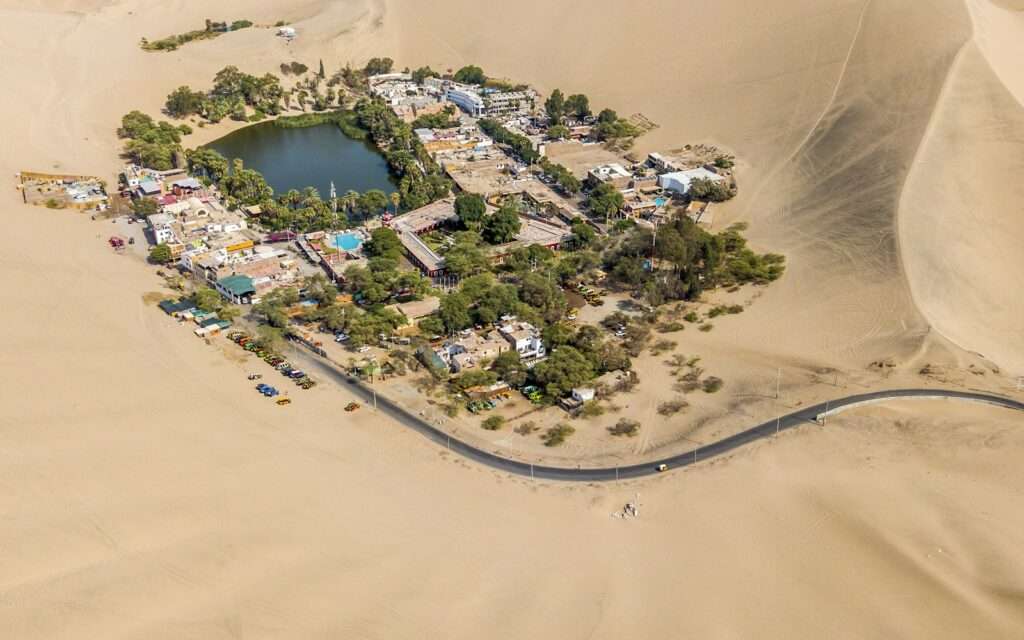
State the math first: the standard tour stacks the Ballestas Islands boat run, the Paracas National Reserve, and the Huacachina oasis into one day, and that day runs fifteen-plus hours with seven-plus of them on the Panamericana.
The components, sorted. The Ballestas are the guano islands off Paracas: a two-hour boat circuit past Humboldt penguins, sea-lion colonies at deafening volume, and seabirds by the tens of thousands. The “poor man’s Galápagos” tag is honest about the wildlife density and dishonest about the format — you never land; the boats loop the arches and colonies. Morning departures get the calm sea, and the Candelabro geoglyph on the approach peninsula is the bonus mystery. The Paracas reserve adds ochre-desert-meets-Pacific viewpoints, with the Red Beach overlook as the signature. And Huacachina is the improbable palm-ringed oasis lagoon in the Ica dunes, where the dune-buggy-and-sandboarding hour is the adrenaline slot — drivers range from spirited to unhinged, so the operator choice is real, and sunset is the slot to want. The pisco bodegas en route pour at the source; Ica is pisco’s heartland, and the artisanal bodega beats the industrial tour.
The verdict: the one-day format works for the time-poor who accept the van hours. An overnight in Paracas, islands at morning calm, reserve at leisure, Huacachina at sunset, is how these pieces fit best.
Caral — The Oldest City in the Americas
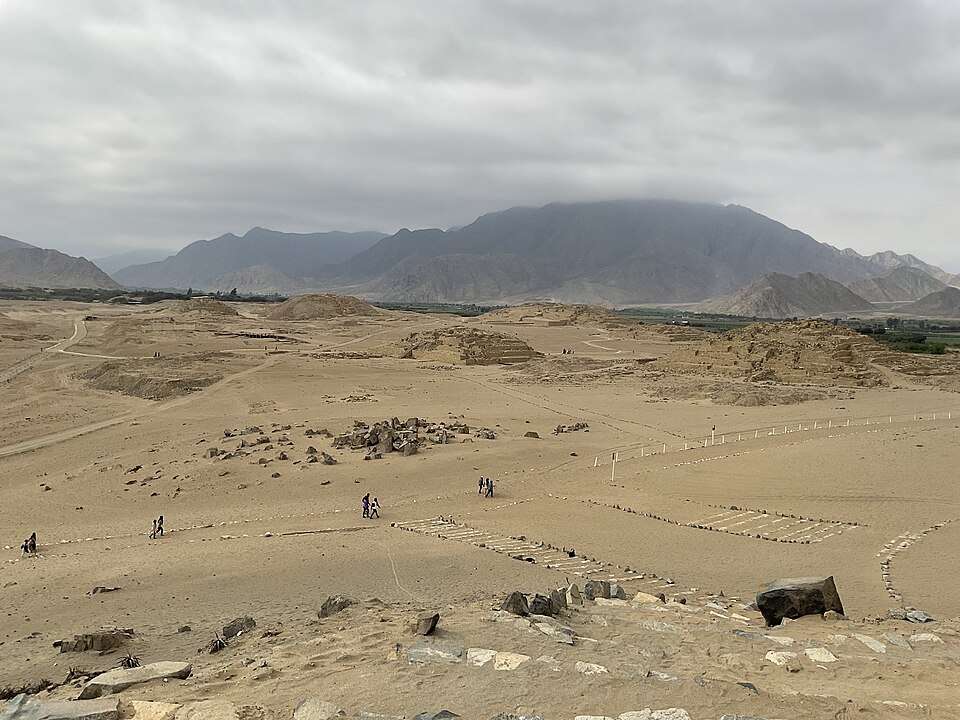
Three and a half hours north sits a genuine superlative that almost nobody visits. Caral, in the Supe valley, is the oldest known city in the Americas: roughly 5,000 years old, contemporary with Egypt’s early pyramids, a UNESCO site of six pyramidal platforms and sunken circular plazas whose excavations produced 3,000-year-old flutes and a precursor of the quipu.
It receives a fraction of the visitors a site of its rank should, which is the entire argument. The guided circuit — mandatory, included, and good — runs the platforms in ninety desert-bright minutes, and the site archaeologists’ interpretive line about a city without walls or weapons is the day’s idea to chew on.
The tour format covers the valley’s final unpaved stretch, the site is shadeless (full sun protection, no exceptions), and the round trip runs seven-plus hours. Sort yourself accordingly: travelers who rank Teotihuacán-tier experiences take this day and rank it; beach-and-food itineraries skip it without guilt. The empanada-and-fruit-stand economy of the Supe valley towns is the right lunch.
Read the full Caral day-trip page.
Pachacamac — The Near Ruins
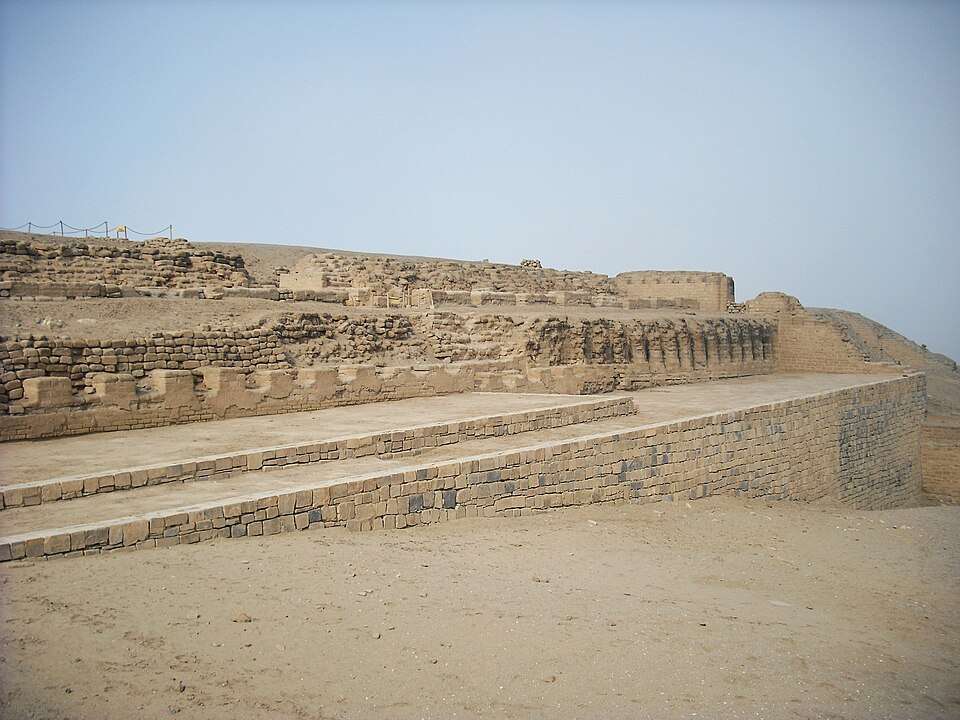
An hour south at the city’s desert edge sits the accessible archaeology. Pachacamac is the great pre-Inca oracle-and-pilgrimage complex the Incas absorbed rather than replaced — fifteen centuries of continuous sacred use, with the succession of cultures legible in the layered temples. The circuit runs the Temple of the Sun’s ocean-facing platform, the restored Acllahuasi, and a first-rate site museum whose star — the carved wooden idol of Pachacamac itself — survived the conquest’s idol-smashing because someone buried it.
The format: the site is large and road-linked, so the visit runs by vehicle between sectors — tours, taxis by the hour, or the site’s own arrangements. Walking the whole circuit in coastal sun is the error. The half-day math makes it the archaeology answer for itineraries that can’t spare Caral’s hours, and it pairs with Barranco or with a long Sunday lunch at the Lurín valley’s country restaurants.
Say it plainly: this is not Machu Picchu and doesn’t claim to be. It’s the best window into coastal Peru’s deep pre-Inca layers within an hour of a capital, which is its own category.
Read the full Pachacámac day-trip page.
The Palomino Islands — Sea Lions From the City
The wildlife swim starts downtown. From Callao’s port, the Palomino Islands tour runs two hours out past the guano islets to a colony of thousands of South American sea lions. The swim option, wetsuits provided, works on one principle: the boats hold at regulation distance, and the sea lions, unregulated, close it out of curiosity. Twenty minutes of being inspected by barking, curious animals is what participants reliably rank the trip’s best money.
Two warnings: the sea state is real — the Humboldt current’s swell in small boats — so medicate preemptively, and the no-swim observation option serves the queasy well. The water runs cold year-round; the wetsuit is not theater. El Frontón’s prison-island history passes en route as the dark footnote. And the ethics rest on the distance rules: the colonies are wild, unfed, and untouched, which is exactly what makes the encounter defensible. Book the operator that briefs hardest.
Half a day, morning departures, and the summer months (December–March) bring the kinder sea.
Lunahuaná — The Adventure Valley
Two and a half hours south, Lunahuaná is the active answer: the Cañete river valley, where the desert opens into vineyards and the river runs raftable.
The rafting sorts by season. December through April’s rainy-season flow runs genuine class III–IV with operators to match; the rest of the year’s gentler water suits families — and the “extreme” marketing outlives the low-season river, so calibrate expectations to the month. The valley adds ziplines, quad circuits through the vineyards, and the bodega economy: artisanal pisco and wine producers pouring tastings where the uva quebranta grape’s story gets told at the source. The tour format settles who drives home.
The extras: the Incahuasi ruins — the campaign headquarters of Túpac Yupanqui’s coastal conquest — for the history quarter-hour, and camarones, the river shrimp, as the valley’s plate. This is the group-and-family day — less singular than the other entries here, reliably fun, and the right pick when the itinerary needs adrenaline over archaeology.
The Ceviche Law, the Garúa & Lima Itself
Gastronomy first, because Lima is the hemisphere’s eating capital, and the day should be organized around meals. The ceviche law: the classic cevicherías serve at lunch and close by late afternoon, because ceviche is a fresh-catch dish and the leche de tigre runs on the morning’s fish. A dinner-ceviche tier exists for tourists; the locals’ version doesn’t. The curriculum: market-adjacent cevicherías and the celebrated constellation — Maido, Central, Astrid y Gastón — which books weeks ahead and is worth it, while the everyday huariques deliver the miracle at neighborhood prices. Anticuchos and picarones run the evening street tier, and the pisco sour’s Chile-versus-Peru origin war is best observed neutrally — though in this city the drink is Peruvian and the bartender is right.
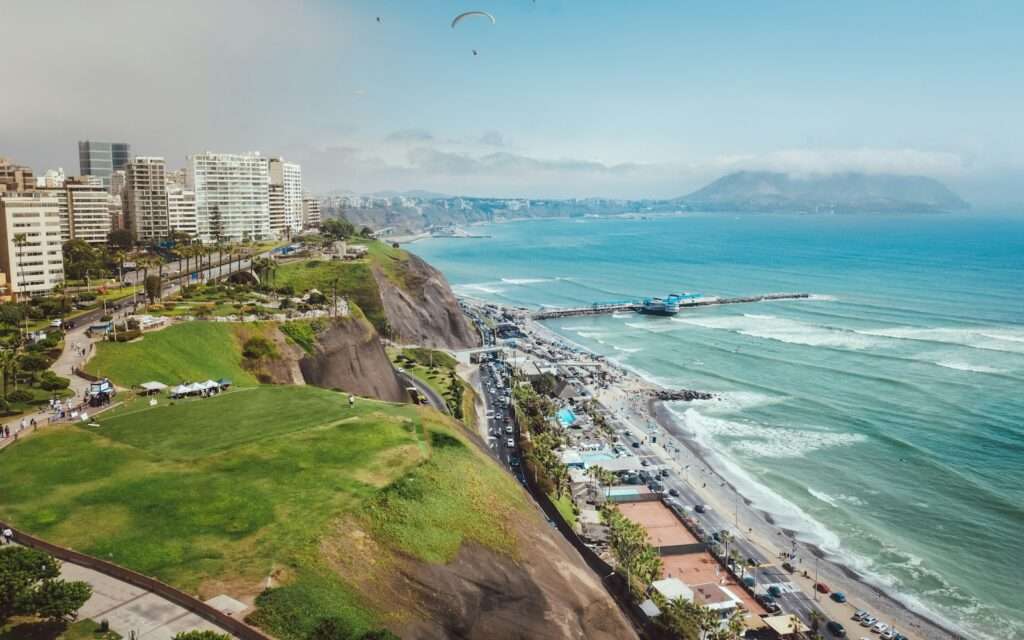
The rest: the Larco Museum is the city’s essential indoor visit — the Moche portrait vessels, the gold-and-silver vaults, and the famously frank erotic gallery, displayed in a bougainvillea-draped mansion whose café is worth lingering in; book ahead and check hours on the official site. The Centro’s colonial core covers Plaza Mayor, the San Francisco monastery’s bone-stacked catacombs, and the balconied streets, walked with standard awareness. Barranco supplies the murals, the Bridge of Sighs, and the bar-and-gallery evening. Miraflores’ clifftop malecón runs paragliders off the edge, the Pacific sunset, and year-round surf schools at the Makaha break below.
And the meteorological honesty every Lima guide owes: the garúa — the coastal fog that ceilings the city grey from roughly May through November — is structural, not weather. It’s the trade for a desert capital where it never rains, and the Paracas and Lunahuaná trips above escape the fog belt, which is half their winter argument. December through April is blue-sky Lima at beach throttle. The eating ignores the ceiling entirely.
Frequently Asked Questions
Is the Ballestas-Huacachina day trip worth it?
As a fifteen-hour marathon, only for the time-poor — the wildlife and the dunes both deliver, but the overnight in Paracas is the format that fits. Morning boats get the calm sea.
What is Caral?
The oldest city in the Americas — 5,000 years old, UNESCO-listed, and nearly empty of visitors. Seven-plus hours round trip for the history-committed; the guided circuit is mandatory and good.
Can you do Machu Picchu from Lima in a day?
No — it’s a flight to Cusco plus a train plus altitude, and needs a Cusco itinerary of its own. From Lima, Caral and Pachacamac are the archaeology answers.
Is swimming with sea lions at Palomino ethical?
Run right, yes — boats hold distance, the animals close it by choice, and nothing is fed or touched. Book the hardest-briefing operator, expect cold water and real swell, and medicate for the boat.
Why is Lima grey half the year?
The garúa — the coastal fog that ceilings the city May through November. It’s structural: the trade for a desert capital where it never rains. The food, the museums, and the southern valleys don’t notice.